
HASC adopts FY27 defense policy bill, adds right to repair language
Rep. Maggie Goodlander, D-N.H., said the provisions would "streamline ... processes, cut red tape, and close loopholes" that make it impossible for troops to repair equiprment.
Rep. Maggie Goodlander, D-N.H., said the provisions would "streamline ... processes, cut red tape, and close loopholes" that make it impossible for troops to repair equiprment.

“Whatever the number is [for the BBG(X) program], I'm going to give you, right, one of the surest fire Kalshi bets you will ever have: Take the over,” said Rep. Adam Smith, D-Wash.


AI tools are critical components of modern warfare, but must be protected to ensure they are reliable.
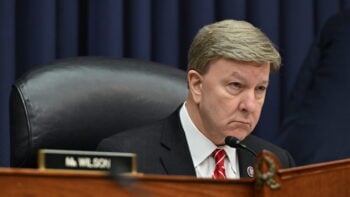
The bill authorizes multiyear procurement of critical munitions, the F-35 and the Arleigh Burke destroyer.

Lt. Gen. David Miller, Space Force deputy for Strategy, Plans, Programs and Requirements, said on Tuesday that the service alone is looking at some 1,000 launches between fiscal 2027 and 2031.
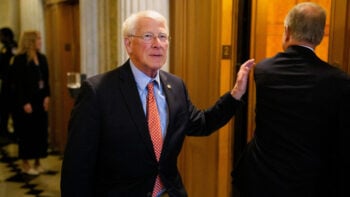
The bill forces the Pentagon to adopt a "portfolio acquisition executive model" for managing programs and makes it easier for commercial firms to do business with the department.
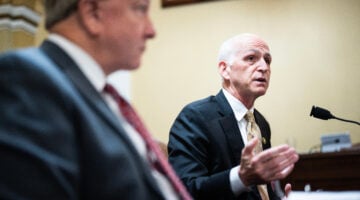
The National Defense Authorization Act authorizes $900.6 billion in defense funds, or about $8 billion more than the White House’s request.


A commitment to long-term operational value.
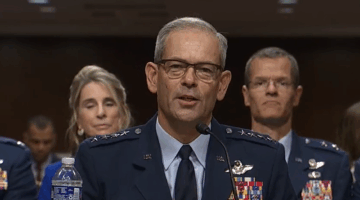
Air Force Chief of Staff nominee Gen. Kenneth Wilsbach also left the fate of the Air Force's wide-ranging "reoptimization" overhaul in the air.

Gen. Michael Guetlein, the Pentagon Golden Dome czar, said on Tuesday that the "real technical challenge" for the effort will be building space-based interceptors to knock down enemy missiles in their boost phase.

Republicans successfully batted down a number of Democratic amendments during the 14-hour markup session.

HASC’s version of the NDAA sticks closely to the Pentagon’s own FY26 budget — a departure from a typical year where lawmakers divert funding to bolster high-priority programs.

There is no single answer to the drone threat, pushing the Pentagon toward a broader mix of defenses.
“The fragility of today’s DIB [defense industrial base] is a direct consequence of decades of well-intentioned, but ultimately misguided, acquisition regulations,” a summary of the bill reads.
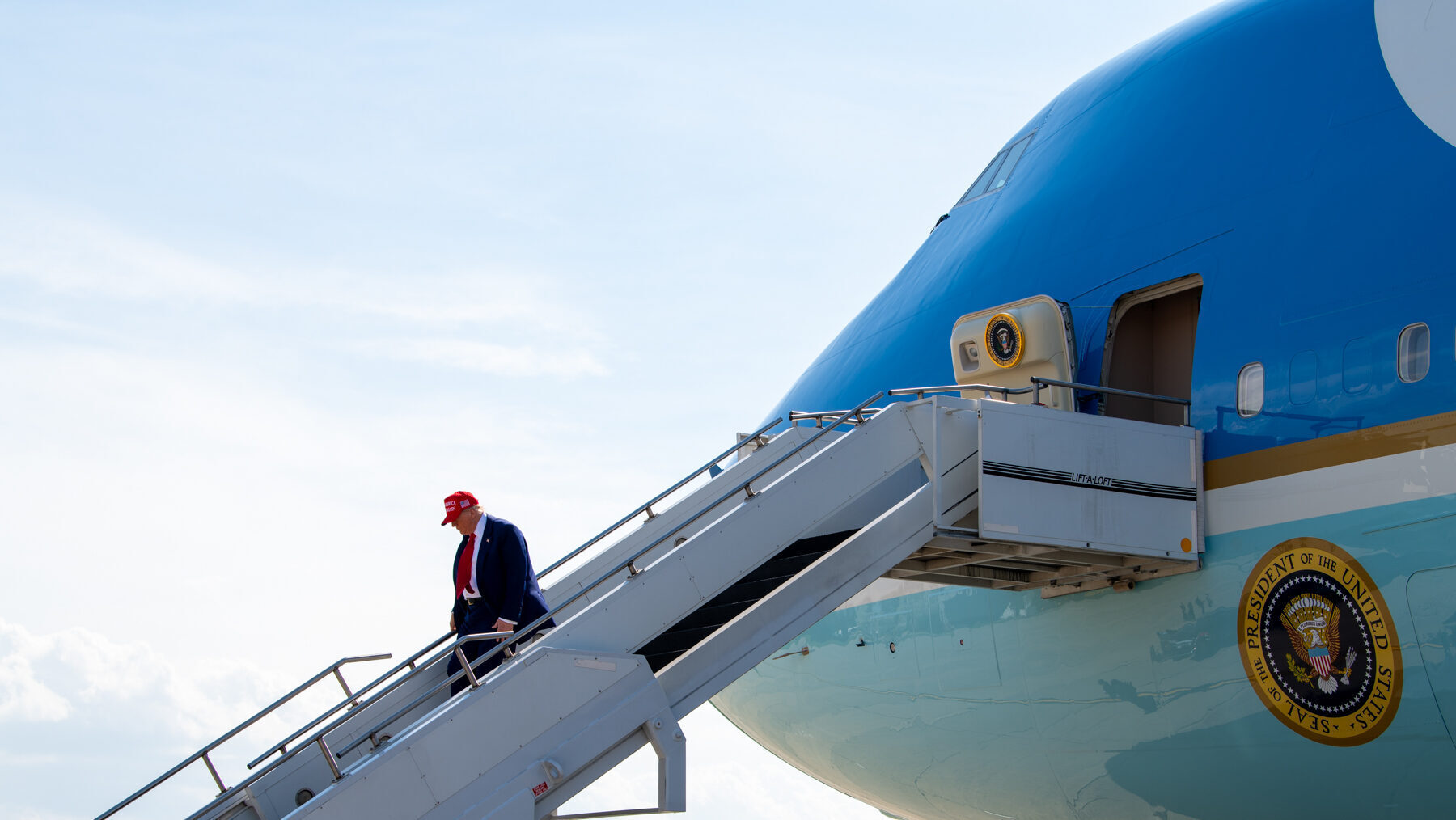
Troy Meink also said he “couldn’t guarantee” that a proposal to accelerate a separate and long-delayed Boeing program for two new Air Force Ones could achieve a delivery date of 2027.

Reps. Don Bacon and Richard McCormick shared concerns over the SOCOM-like model in today's hearing.

The US Air Force halted acceptance of the troubled tanker in February, following cracks discovered on the aircraft’s “outboard fixed fixed-trailing-edge support structure.”